

If you're choosing between the latest Snapdragon and Dimensity phones, treat benchmarks as a hint, not the verdict. Snapdragon often wins on sustained gaming, camera processing consistency, and broader developer optimization, while Dimensity frequently delivers better value and strong day-to-day smoothness. The "best" chip is the one matching your usage persona and thermal limits.
Quick verdict and what truly matters
- Pick based on sustained performance (heat) rather than peak scores.
- Gamers should prioritize GPU stability and frame-time consistency over top benchmark bursts.
- Photographers should compare ISP behavior (HDR, skin tones, night mode) and third-party camera app compatibility.
- Commuters should weigh modem reliability and efficiency (5G/Wi‑Fi behavior) more than CPU cores.
- For "มือถือ Snapdragon รุ่นล่าสุด ราคาดี" and "มือถือ Dimensity รุ่นล่าสุด ราคาดี", focus on the whole phone: cooling, camera sensors, and update policy can outweigh the chipset.
Architecture and fabrication: what's under the hood
Metric: CPU/GPU design choices, manufacturing node, memory subsystem, and thermal design targets.
Observed implication: Two chips that look similar on paper can behave very differently once the phone heats up or switches to camera + navigation + 5G.
Practical recommendation: Use these criteria to short-list devices before you look at benchmarks.
- CPU core mix and scheduler behavior: Impacts app launch speed vs sustained multitasking; avoid judging by core count alone.
- GPU architecture and drivers: Determines game stability, frame pacing, and long-term optimization from game studios.
- Fabrication node (process): Often correlates with efficiency and heat, but final results depend on tuning and cooling.
- Memory and storage support (LPDDR/UFS generation): Affects real responsiveness (camera burst, app switching) more than small CPU differences.
- ISP (image signal processor) pipeline: Controls HDR stacking, noise reduction style, and consistency across lenses.
- NPU/AI engine throughput and supported models: Impacts on-device translation, photo enhancements, and smart assistants.
- Modem integration and carrier bands: Affects 5G stability and battery drain in Thailand's mixed coverage areas.
- Thermal headroom of the phone design: Vapor chamber size, graphite layers, and chassis matter as much as the chip.
Raw benchmarks versus everyday performance: decoding the numbers
Metric: peak CPU/GPU scores, sustained stress tests, and real mixed workloads (camera + social + navigation).
Observed implication: Peak benchmarks reward short boosts; daily UX rewards stability, storage speed, RAM management, and tuning.
Practical recommendation: Use the table below as a decision map, then validate with device reviews for heat and camera consistency-this is the core of any "รีวิวชิป Snapdragon และ Dimensity รุ่นล่าสุด".
| Variant | Who it fits | Pros | Cons | When to choose |
|---|---|---|---|---|
| Latest flagship Snapdragon (top-tier) | Competitive gamers; power users | Often strongest GPU ecosystem and game optimization; good sustained tuning on well-cooled phones | Can be pricey; some models still throttle if cooling is minimal | Choose if you care about stable high FPS, emulator performance, and broad accessory/ROM community support |
| Latest flagship Dimensity (top-tier) | Value-focused power users; heavy multitaskers | Strong day-to-day speed; frequently appears in aggressive price-performance devices | Game optimization can vary by title/device; fewer "known baseline" expectations across brands | Choose if you want near-flagship feel but you're shopping by total package value |
| Upper-mid Snapdragon (recent) | Balanced users; casual gamers | Predictable performance; good third-party app compatibility; efficient in many mainstream phones | Peak benchmarks may look lower than similarly priced rivals | Choose if you want fewer surprises in camera apps, Bluetooth accessories, and long-term app compatibility |
| Upper-mid Dimensity (recent) | Commuters; social + video heavy users | Often excellent smoothness for the money; strong efficiency in many designs | Some brands tune aggressively for benchmarks; sustained performance depends heavily on cooling | Choose if you want "มือถือ Dimensity รุ่นล่าสุด ราคาดี" with strong daily UX and you don't chase max graphics settings |
| Midrange Snapdragon (recent) | Camera-first midrange buyers; students | Stable ISP behavior across many phone models; broad GCam/mod community on some devices | Not ideal for heavy gaming at high settings | Choose if camera apps and consistent processing matter more than raw compute |
| Midrange Dimensity (recent) | Budget-focused buyers | Great specs-per-baht in many models; smooth UI when paired with fast storage | Camera output varies widely by OEM tuning; accessory/app edge cases can appear | Choose if your priority is maximum hardware value and you rely on the stock camera app |
For people searching "เปรียบเทียบ Snapdragon vs Dimensity รุ่นล่าสุด", the practical rule is: treat CPU/GPU peaks as a tie-breaker only after you confirm (1) throttling behavior in reviews and (2) the phone's camera and modem tuning.
Power efficiency, throttling and real-world battery impact
Metric: sustained power draw under load, temperature rise, and how quickly performance drops (throttling).
Observed implication: The same chipset can feel "fast" or "laggy" depending on cooling, UI tuning, and how aggressively the OEM boosts clocks.
Practical recommendation: Decide by scenario, not by chip brand.
- If you play 3D games for 30-60 minutes, then prioritize phones with proven cooling (vapor chamber, thicker chassis) and look for stable FPS tests; flagship Snapdragon often feels more predictable here.
- If you shoot lots of photos/video back-to-back, then prioritize thermal stability and ISP consistency; pick the device with better camera tuning, not the chip with the highest synthetic score.
- If you commute with 5G + maps + music daily, then prioritize modem stability and efficiency; a well-tuned Dimensity or Snapdragon can both win-device reviews matter more than the logo.
- If you mainly use social apps, banking, and video streaming, then mid/upper-mid chips are usually enough; spend more on screen, storage, and battery capacity rather than chasing the top SoC.
- If you hate warm phones, then avoid "thin-and-light" designs with flagship chips; choose an upper-mid chip in a better-cooled body for steadier performance.
Connectivity, multimedia and AI: features that change UX
Metric: modem behavior, Wi‑Fi/Bluetooth stability, video pipeline, and on-device AI features exposed to apps.
Observed implication: Connectivity and camera/video pipelines often define perceived quality more than CPU peaks.
Practical recommendation: Use this fast checklist when deciding "ซื้อมือถือ Snapdragon หรือ Dimensity ดี" for your own usage.
- Check your main network: do you rely on 5G in variable coverage areas (BTS/MRT, malls, condos)? Favor the phone with better local carrier feedback and stable handovers.
- If you use TWS earbuds daily, verify Bluetooth codec support and real user reports about dropouts/latency on that specific model.
- If you care about video, confirm the phone supports the streaming HDR formats you use and that playback is stable at high brightness.
- If you shoot a lot of night photos, compare real samples: look for motion handling, highlight control, and skin tone consistency (ISP + OEM tuning).
- If you edit photos/video on-device, prioritize sustained performance and storage speed (UFS generation) over peak benchmarks.
- If you use AI features (transcription, translation, gallery search), check whether the features run on-device and are available in your region/ROM, not just "supported by the chip".
Software support, updates and ecosystem advantages
Metric: OEM update policy, kernel/vendor maturity, app/game optimization, and community support for your chosen model.
Observed implication: A slightly weaker chip with better firmware can feel faster and stay smoother longer.
Practical recommendation: Avoid these common mistakes when hunting "มือถือ Snapdragon รุ่นล่าสุด ราคาดี" or Dimensity bargains.
- Buying by chipset name while ignoring the phone's cooling design; throttling turns "flagship" into "midrange" quickly.
- Assuming benchmark rankings equal smoother UI; storage speed, RAM management, and animation tuning dominate daily feel.
- Ignoring update track record of the brand/model; security patches and camera tuning updates matter long after purchase.
- Overvaluing peak GPU numbers but skipping real game tests (stability, frame-time spikes, thermal throttling).
- Judging camera quality by sensor megapixels; ISP tuning, HDR behavior, and lens quality are decisive.
- Not checking regional ROM limitations (call recording, AI features, language packs), which can differ by market.
- Assuming all Dimensity or all Snapdragon models behave similarly; OEM tuning can outweigh chip differences.
- Choosing the cheapest variant with slower storage or less RAM; that often hurts longevity more than SoC choice.
Price-performance matrix and recommendations by persona
Gamer: lean toward a flagship Snapdragon phone with proven cooling and stable FPS results, or a value flagship Dimensity only if your main games are confirmed to run consistently on that model. Photographer: choose the device with the most consistent camera processing and reliable third-party app behavior-often easier to find in Snapdragon-heavy lineups, but not guaranteed. Commuter: prioritize modem stability, battery efficiency, and thermals; an upper-mid Dimensity or Snapdragon in a well-tuned phone is usually the smartest buy.
Common buyer doubts, answered concisely
Are the latest Dimensity chips only good on paper?
No-many are excellent in daily use. The gap shows up when OEM tuning or cooling is weak, which makes sustained performance and camera consistency less predictable.
Is Snapdragon always better for gaming?
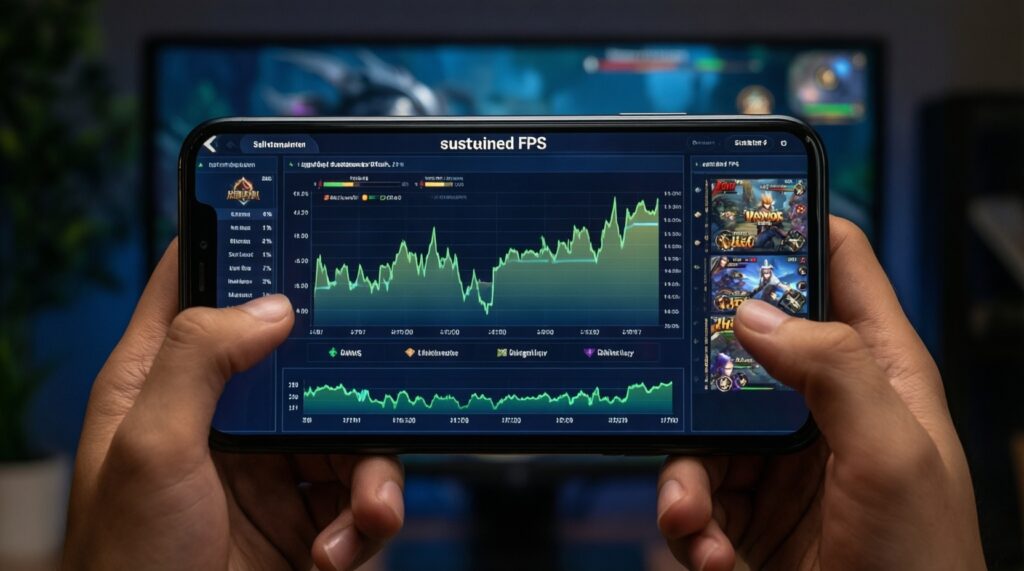
Not always, but it's often more consistent across game titles due to optimization and driver maturity. Always check sustained FPS tests for the exact phone model.
For "เปรียบเทียบ Snapdragon vs Dimensity รุ่นล่าสุด", what matters most after benchmarks?
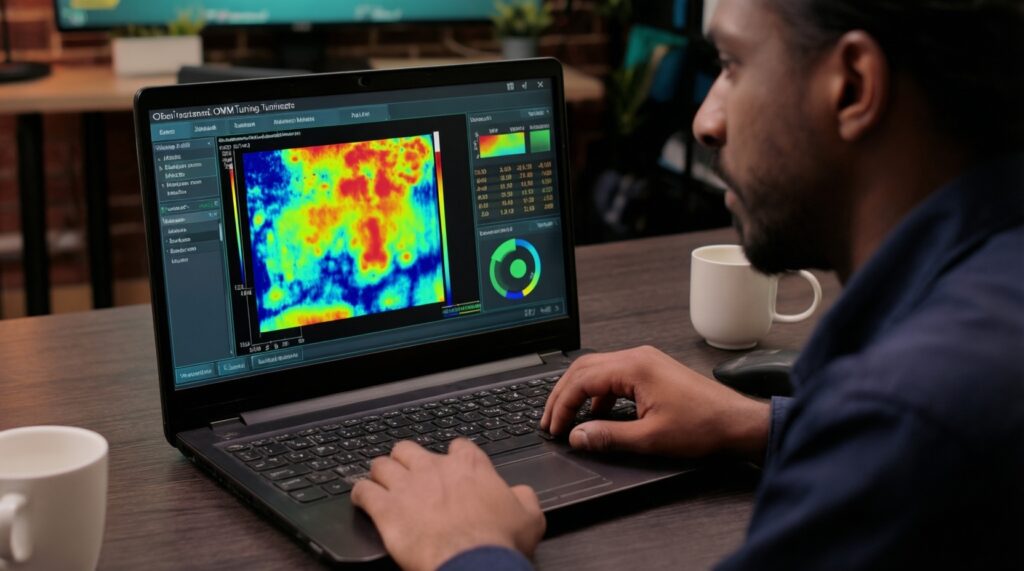
Thermals, storage speed, and OEM software tuning. Those three decide whether performance stays smooth after the first few minutes.
How can I find "มือถือ Snapdragon รุ่นล่าสุด ราคาดี" without sacrificing too much?
Target upper-mid Snapdragon phones with strong cooling and fast storage. Avoid paying extra for a flagship chip inside a thin body with poor heat dissipation.
How can I find "มือถือ Dimensity รุ่นล่าสุด ราคาดี" that won't lag later?
Choose models known for stable firmware and good RAM/storage configurations. Prioritize reputable update history and real long-session performance reviews over launch benchmarks.
Does camera quality depend more on Snapdragon vs Dimensity?
It depends more on the phone maker's tuning, sensor/lens choices, and processing style. The chipset matters, but it's not the sole determinant of photo and video results.
What should I look for in a "รีวิวชิป Snapdragon และ Dimensity รุ่นล่าสุด" to make a final decision?
Longer stress tests, real camera samples (night + motion), and connectivity notes (5G/Wi‑Fi/Bluetooth). Short benchmark charts alone aren't enough to pick a daily driver.