


If you're doing a เปรียบเทียบชิป iPhone รุ่นใหม่กับรุ่นก่อน, the "best" choice depends less on peak speed and more on sustained performance, battery under your apps, and heat in Thailand's climate. Newer chips usually improve efficiency and camera/AI blocks, while older flagships can feel similar in daily use but may run warmer under long gaming or video tasks.
Snapshot: What the New iPhone Chip Actually Changes
- Efficiency gains typically show up first in standby, light app scrolling, and mixed-use days-not just headline performance.
- Sustained speed (long gaming, 4K recording, exports) is often limited by thermals and chassis, not the chip alone.
- Camera pipelines (ISP) and on-device AI (NPU) upgrades can matter more than CPU for photos, video, and "smart" features.
- Modem/connectivity behavior can affect heat and battery during hotspot, weak-signal commuting, and 5G-heavy use.
- For value, last‑gen Pro chips often deliver the best "feel per baht" if you don't need the newest camera/AI features.
Architectural shifts: cores, process node, and what they imply

Use these criteria to decide whether the newer iPhone chip is actually the better buy for you (especially if you're asking ชิป iPhone รุ่นใหม่แรงขึ้นแค่ไหน in your real apps).
- CPU mix (performance vs efficiency cores): Impacts app launch speed and background drain; efficiency-core behavior is a big part of "feels smoother all day."
- GPU design and memory bandwidth: Matters for long gaming sessions, high refresh rate, heavy UI effects, and pro video timelines.
- Neural Engine (NPU) generation: Influences on-device AI features (photo sorting, transcription, language features) and how fast they run offline.
- ISP pipeline upgrades: Affects HDR consistency, low-light processing, skin tones, and video stabilization-often more than raw megapixels.
- Process node (manufacturing): Newer nodes typically improve efficiency, but real-world benefit depends on workload and cooling.
- Thermal design constraints: Same chip behaves differently across models; thinner/lighter bodies can hit thermal limits earlier.
- Modem and radios: Weak signal, 5G, hotspot, and dual SIM usage can dominate both heat and battery.
- RAM and storage speeds (model-dependent): Multitasking and large file work often bottleneck here rather than CPU peak.
- Your workload duration: Short bursts favor newer chips less than you think; long sustained tasks reveal bigger differences.
Measured performance: benchmarks, app workflows, and gaming
Because chip names vary by release year and region, compare by tier and workload. The table below is designed for choosing, not marketing. If you want numbers, run the same device-class benchmarks (single-core, multi-core, GPU) on the exact models you're considering-otherwise comparisons can be misleading.
| Variant | Who it fits | Pros | Cons | When to choose |
|---|---|---|---|---|
| Newest Pro chip (current-year Pro iPhone) | Creators, frequent gamers, people who keep phones longer | Best headroom for sustained tasks; strongest camera/AI pipeline; typically best longevity | Highest upfront cost; gains can be subtle in basic apps | If you export video, play demanding games for 30+ minutes, or want the newest on-device AI features |
| Newest non‑Pro chip (current-year non‑Pro iPhone) | Most users upgrading from 2-4 years ago | Usually big "everyday" uplift; better efficiency than older chips; strong app performance | Less sustained GPU headroom vs Pro; some camera/AI features may be limited by model | If you want a new device experience with better efficiency but don't need Pro-level sustained performance |
| Last‑gen Pro chip (previous-year Pro iPhone) | Value-focused buyers who still want near-flagship feel | Often the best performance-per-cost; strong sustained performance; mature thermals and software tuning | May miss newest camera/AI capabilities; battery wear depends on used/refurb condition | If you're asking ซื้อ iPhone รุ่นไหนดี เทียบรุ่นใหม่กับรุ่นก่อน and want maximum value without dropping to midrange performance |
| Last‑gen non‑Pro chip (previous-year non‑Pro iPhone) | Balanced users prioritizing price, battery, and reliability | Excellent daily responsiveness; usually solid efficiency; lower price than newest models | Lower ceiling for heavy gaming/video; fewer "new" features | If your workload is mostly social, camera, messaging, office apps, and short gaming sessions |
| Two‑year‑old flagship chip (older Pro/non‑Pro tiers) | Strict budget buyers who still want iOS speed | Still fast for typical apps; can be great value | Higher chance of heat under load; shorter future support runway; battery health varies widely on used units | If price is the priority and you can accept more careful thermal/battery management |
To translate "speed" into reality:
- App workflows: Video exports, RAW photo stacks, and AI tasks show differences more clearly than app launching.
- Gaming: Look for stable frame pacing over time; many "fast" phones slow down once warm.
- Multitasking: RAM and storage can bottleneck before CPU; compare the exact model configs.
Battery outcomes: efficiency gains, real-world runtime, and charging
If you're wondering iPhone รุ่นใหม่แบตอึดขึ้นไหม, treat it as a system question (chip + modem + screen + battery size + your signal quality). Use these scenario rules, with a budget-first and premium-first lens:
- If you're mostly on Wi‑Fi with light apps, then a last‑gen non‑Pro chip can feel nearly identical to the newest chip while saving money.
- If you commute in weak 4G/5G areas or use dual SIM, then prioritize the newer generation (newest non‑Pro or newest Pro) because radio efficiency and tuning can matter more than CPU.
- If you game daily for long sessions, then choose newest Pro or last‑gen Pro; sustained GPU efficiency is usually better, which can reduce battery drop and heat.
- If you record lots of video (especially long clips), then pick a newer generation for the ISP/encoder efficiency; you'll often see less drain per minute of capture.
- Budget-first: If the price gap is meaningful, last‑gen Pro is often the best compromise-high performance with a smaller premium than the newest.
- Premium-first: If you keep phones longer and want the most consistent all-day battery across mixed tasks, newest Pro is typically the safer bet.
Thermals and sustained speed: heat management, throttling, and chassis impact
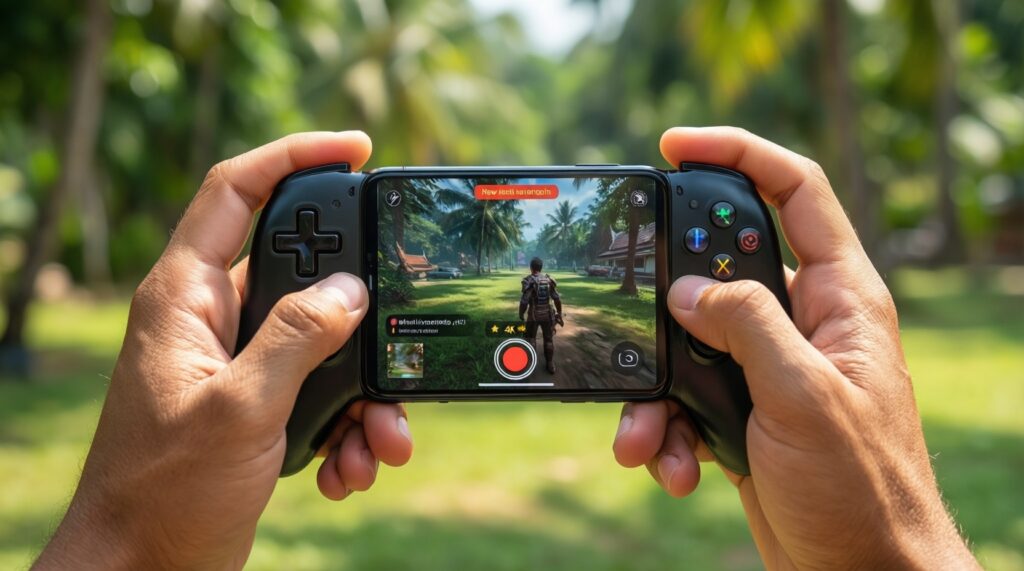
For Thailand's climate and outdoor use, heat behavior can decide your experience. If you're asking iPhone รุ่นใหม่ร้อนง่ายไหม, use this quick selection algorithm:
- List your top 2 heat-heavy tasks (e.g., gaming, 4K recording, hotspot, navigation in the sun).
- Decide whether performance must stay stable for 20-40+ minutes; if yes, favor Pro-tier chips or newer generations.
- Check your typical environment: outdoor, motorbike navigation, and car dashboards increase throttling risk-prioritize newer efficiency and/or Pro chassis.
- If you often use 5G + hotspot, treat modem behavior as a primary heat source; newer generations usually help more than minor CPU bumps.
- If you buy used, verify battery health and casing condition-aged batteries and damaged seals can worsen heat behavior.
- Plan for case choice: thick non-breathable cases can trap heat; if you must use one, lean toward a more efficient newer chip.
ISP, NPU and connectivity: camera, AI tasks, and modem differences
Common mistakes that lead to the wrong chip choice in iPhone upgrades:
- Assuming CPU benchmarks predict camera results; in practice, ISP generation and model camera hardware dominate photo/video outcomes.
- Ignoring NPU differences when you actually use on-device transcription, image search, or AI features; those can feel much faster on newer chips.
- Comparing "chip vs chip" while forgetting modem/radio: weak-signal behavior can decide battery and heat more than CPU.
- Expecting identical performance across models with the same chip; thermal design, screen, and battery size can change sustained results.
- Overpaying for the newest chip when your bottleneck is storage capacity (media libraries, offline maps) or RAM (multitasking).
- Underestimating video workflows: encode/decode blocks and ISP improvements can matter more than GPU for creators.
- Choosing based on peak gaming FPS rather than stability after warming up; throttling is where tiers separate.
- Assuming "newest non‑Pro" always beats "last‑gen Pro" in sustained workloads; for long gaming and exports, Pro-tier often stays ahead.
Budget-focused upgrade guidance: which chip makes sense for frugal buyers
Best value for most people is often the last‑gen Pro chip if pricing is close enough, because it balances strong sustained speed with a lower cost than the newest Pro. Best practical pick for everyday use on a tighter budget is the last‑gen non‑Pro chip. Best fit for heavy creators and long-term keepers is usually the newest Pro chip, while the newest non‑Pro chip suits buyers who want fresh efficiency and features without Pro pricing.
Practical upgrade concerns and quick answers
Will I notice the difference day-to-day between the newest chip and last year's?
In messaging, social, and browsing, the difference is usually small. You'll notice it more in sustained gaming, long camera sessions, and on-device AI tasks.
Is "last‑gen Pro" a safer buy than "newest non‑Pro"?
For sustained performance (gaming, exports), yes, last‑gen Pro often holds speed better. For efficiency and some newer features, newest non‑Pro can be the better fit.
Does a newer chip automatically mean better battery life?
No-battery depends on screen, battery size, modem behavior, and signal conditions. Newer chips typically improve efficiency, but model-level differences can outweigh the chip.
What causes iPhones to get hot: CPU, GPU, or modem?
All can, but the modem is a frequent culprit during weak signal, 5G, hotspot, and navigation. Gaming usually stresses GPU and triggers heat faster than typical apps.
Should I upgrade just for camera improvements?
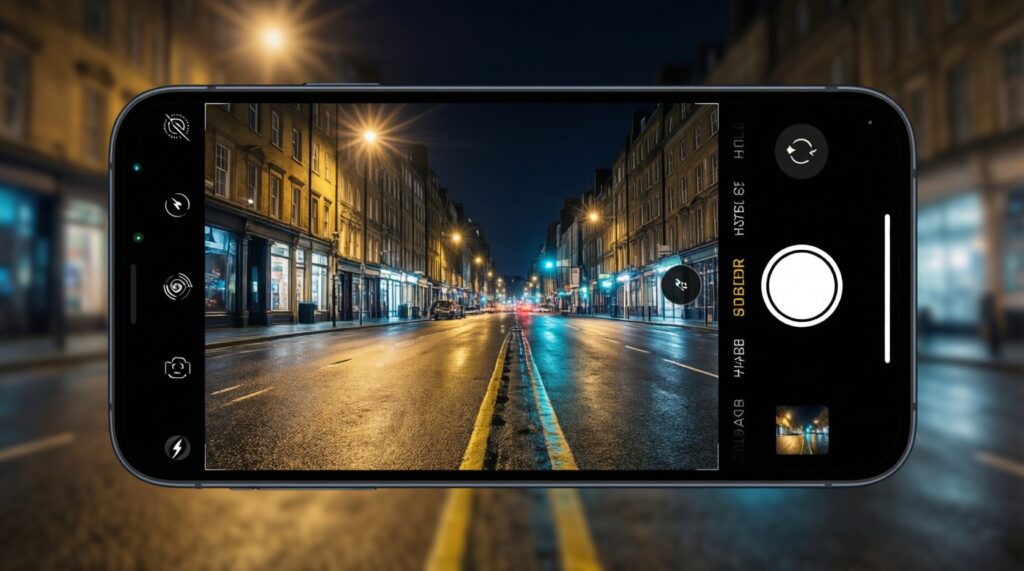
Upgrade if you care about better HDR consistency, low-light processing, and video stability. Those gains are often tied to ISP + camera hardware, not just the chip name.
How do I choose if I'm mainly price-sensitive?
Start with last‑gen non‑Pro for the lowest cost while staying modern, then move up to last‑gen Pro if you game or create content regularly. Pay for newest Pro only if you'll use its advantages often.