
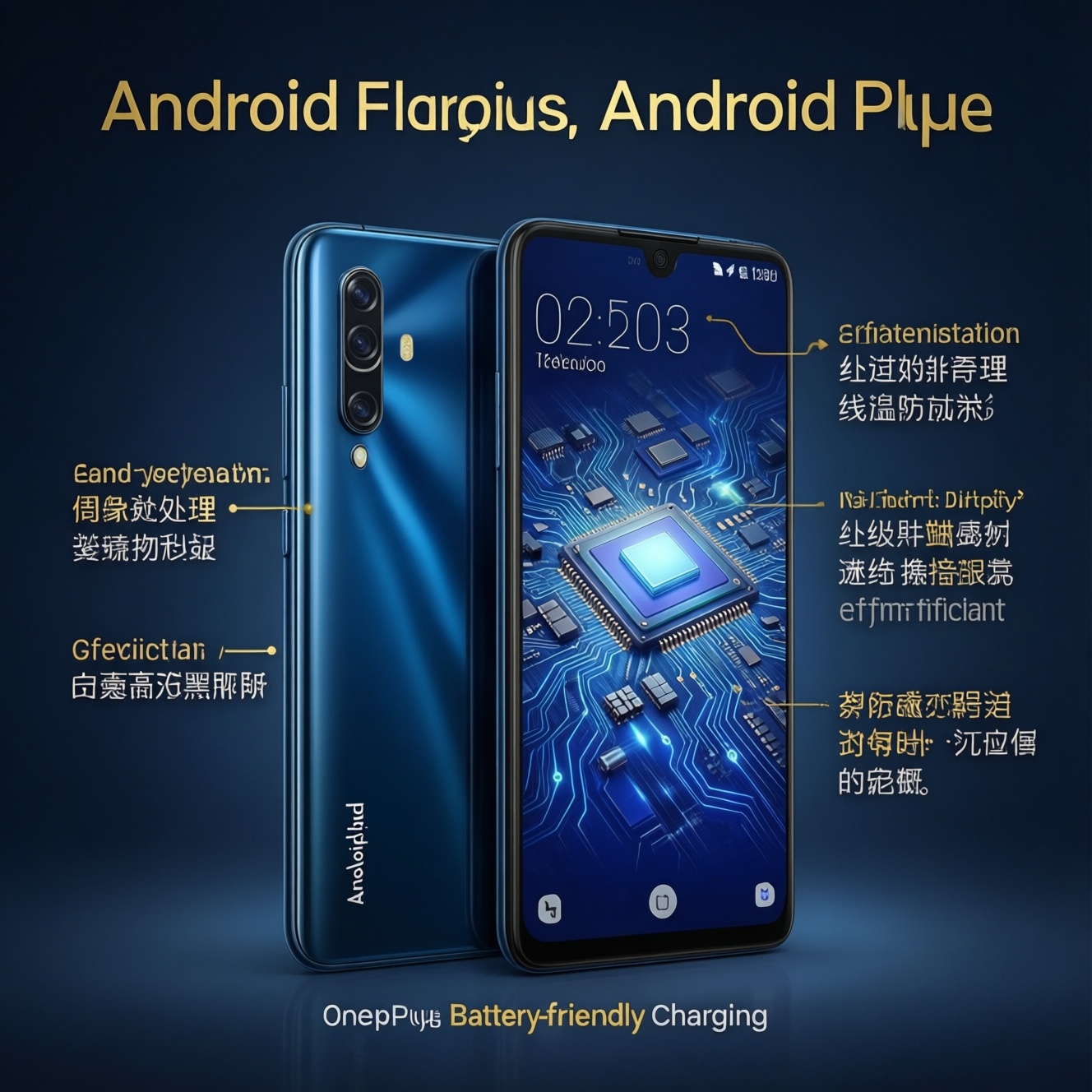
If you're choosing between an Android flagship new model and its previous generation, the meaningful differences usually cluster around image processing (not just sensors), a newer SoC with better sustained efficiency, brighter/more power-aware displays, and charging control that's kinder to battery aging. The "best" option depends on your main workload: camera, gaming, or all-day endurance.
At-a-Glance: Major Hardware Shifts
- Camera gains are increasingly driven by computational photography: faster HDR pipelines, better motion handling, and improved telephoto fusion.
- SoC upgrades matter most for sustained performance (heat control), not just peak speed.
- Displays trend toward smarter adaptive refresh and improved high-brightness tone mapping for HDR.
- Battery "feels" better mainly when efficiency improves and background power control is tighter.
- Charging improvements are often about stability and thermal limits, not just headline wattage.
Camera Systems: Sensors, Optics and Computational Upgrades
When doing a เปรียบเทียบเรือธง Android รุ่นใหม่กับรุ่นก่อน, use these camera criteria to avoid spec-sheet traps. If your question is เรือธง Android รุ่นใหม่ กล้องต่างจากรุ่นก่อนแค่ไหน, the checklist below will usually reveal the real answer.
- Shutter latency and motion capture: look for less blur on kids/pets and cleaner frames in indoor lighting, not just higher megapixels.
- HDR consistency: fewer blown highlights and less "flat" skin tones across mixed lighting.
- Main sensor readout speed: faster readout tends to reduce rolling shutter artifacts and improves night + moving subjects.
- Telephoto usefulness: prefer optical reach with stable framing over "hybrid" zoom claims; check if tele engages reliably in moderate light.
- Ultra-wide edge quality: watch for corner smearing and focus falloff; newer lenses often improve uniformity.
- Video stabilization stack: OIS + EIS behavior while walking, plus horizon leveling and reduced "jello".
- Color science generation-to-generation: whether the new model matches reality better or just looks more contrasty.
- Portrait segmentation: hair/ear edges and transparent objects; this often improves with new models via ML.
- Low-light noise vs detail trade-off: newer processing may preserve texture with less watercolor smoothing.
System-on-Chip: Performance, Efficiency and On-device AI
If you're asking ชิปเรือธง Android รุ่นใหม่ vs รุ่นก่อน แรงขึ้นไหม, focus on sustained performance per watt and thermal behavior under your apps (camera video, gaming, GPS, video calls). Below are practical "variants" you'll commonly see when comparing new vs previous flagships.
| Variant | Who it suits | Pros | Cons | When to choose |
|---|---|---|---|---|
| New flagship (Gen N) base model | Most users upgrading from 2-3 years ago | Best all-around balance; newest ISP/AI blocks; typically better modem power management | Early firmware can need updates; launch pricing can be high | Choose if you want the newest camera processing and long software runway |
| Previous flagship (Gen N-1) | Value-focused buyers who still want premium build | Mature software; often cheaper; performance is still high for daily use | Less headroom for future heavy AI features; may heat up sooner in demanding tasks | Choose if you want premium feel with fewer "new-gen" risks and better deals |
| New flagship (Gen N) high-performance chipset bin | Mobile gamers, emulation users, heavy multitaskers | Higher sustained CPU/GPU potential; stronger on-device AI throughput in supported apps | Can be more sensitive to thermal design differences between brands | Choose if your priority is sustained frame rates and faster on-device processing |
| New flagship (Gen N) efficiency-tuned configuration | Battery-first users, commuters, travel use | Better idle/standby behavior; steadier performance under moderate loads | Peak performance may be less visible; aggressive background limits may require tweaking | Choose if you care about day-to-day endurance more than synthetic peak scores |
| Previous flagship (Gen N-1) with stronger cooling design | Power users buying last-gen intentionally | Some last-gen "pro" bodies sustain performance well due to robust cooling | Older ISP/AI may lag in camera/video pipelines | Choose if you find a last-gen model known for stable thermals at a good price |
Display Technologies: Refresh, HDR Fidelity and Power Trade-offs
For จอเรือธง Android รุ่นใหม่ vs รุ่นก่อน ต่างกันอะไรบ้าง, prioritize how the panel behaves in your lighting and scrolling habits, not only the max refresh number.
- If you read outdoors a lot, then favor the newer model with stronger high-brightness tone mapping and better glare handling.
- If you scroll long feeds for hours, then choose the model with smoother adaptive refresh behavior (stable ramping) to reduce wasted power.
- If you watch HDR content, then pick the device that keeps highlights controlled without crushing shadow detail (look for fewer "gray blacks" in dim rooms).
- If you game competitively, then prioritize touch responsiveness consistency and sustained brightness under heat, even if peak specs look similar.
- If you're sensitive to flicker, then test PWM behavior in-store; newer isn't automatically better, but some generations improve mitigation options.
Battery and Charging: Capacity, Cycle Life and Fast-charge Reality
When you ask แบตเรือธง Android รุ่นใหม่ vs รุ่นก่อน อึดขึ้นไหม, the answer is usually "only if efficiency and thermals improved." Use this quick selection algorithm:
- List your top two drains (gaming, camera video, hotspot, GPS, video calls) and ignore light-use estimates.
- Prefer the generation that runs cooler in your workload; heat is the fastest way to make a battery feel "worse."
- Check whether the phone offers charge caps/scheduled charging (useful for long-term battery health).
- If you fast-charge daily, choose the model known for stable charging curves (less throttling, less heat), not the highest advertised rate.
- If you rely on wireless charging, verify it supports your use (desk, car) without excessive heat buildup.
- For travel, prioritize modem efficiency and standby stability (newer SoC + modem generation often helps more than small capacity differences).
Real-world Performance: Benchmarks, Thermal Behavior and Sustained Speed
- Over-weighting peak benchmark scores instead of sustained performance after several minutes of load.
- Assuming "same RAM" means same multitasking; memory management and storage speed tuning matter.
- Ignoring thermal design differences between brands using similar chip families.
- Comparing cameras only in perfect daylight; motion + indoor lighting reveals generational processing gaps.
- Confusing display peak brightness with usable brightness under heat and long sessions.
- Assuming faster charging always saves time; throttling can erase theoretical gains.
- Not accounting for carrier bands/5G behavior in Thailand; modem stability can change battery and heat noticeably.
- Buying the new model before early software updates if you're sensitive to camera tuning changes.
Practical Buying Guide: Which Flagship to Choose by Use Case
- If photography is your top priority: choose the new flagship (Gen N) when it demonstrably improves motion, HDR consistency, and telephoto engagement; otherwise last-gen can be close for daylight shots.
- If gaming/sustained performance matters most: choose the variant (new or last-gen) with the best cooling reputation and stable sustained frame rates, not the highest peak claims.
- If battery-first is non-negotiable: favor the efficiency-tuned new generation and look for cooler operation plus charging controls.
- If you want the best value: the previous flagship (Gen N-1) is often the sweet spot once pricing normalizes and firmware is mature.
Pick the new flagship (Gen N) when your daily use stresses camera processing, AI features, or long-term software support; pick the previous flagship (Gen N-1) when you want premium experience with better pricing and mature tuning. For gaming, choose whichever specific model sustains performance cooler; for battery-first, prioritize efficiency behavior over capacity claims.
Common Purchase Concerns and Quick Answers
Is the new flagship always better for photos?
Not always. Newer models usually improve motion handling, HDR consistency, and telephoto fusion, but daylight main-camera differences can be subtle.
Will I feel the new chip in daily use?
Most people feel it in heat control and battery stability more than raw app launch speed. Heavy camera/video and gaming are where differences show up fastest.
Do display upgrades matter if both are 120Hz?
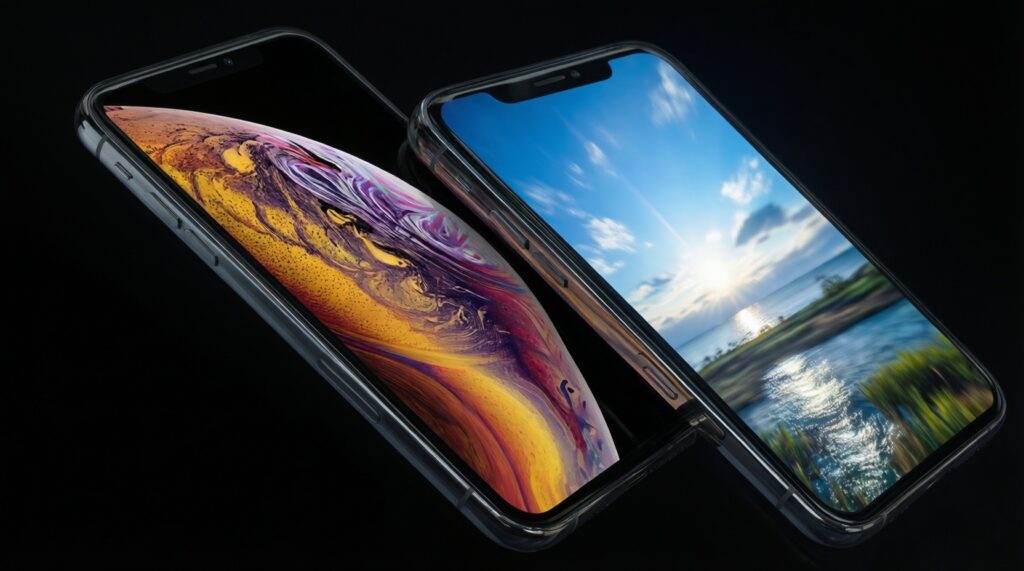
Yes, adaptive refresh behavior, HDR tone mapping, and sustained brightness can be materially different even at the same headline refresh rate.
Is faster charging safe for battery health?
It can be, but heat and charging behavior matter more than the peak rate. Use charge limits/scheduled charging if available and avoid frequent hot charging.
Should I buy last-gen to avoid early software issues?
If you prefer stability, last-gen is often safer because camera tuning and modem firmware are mature. New models typically improve with updates, but timing varies by brand.
What's the simplest way to decide between generations?
Choose the new model if your top pain point is camera/video or endurance under heavy use; choose the previous model if price/value and proven stability are your priorities.