


If you want the best value in Thailand, buy during proven promo windows and treat launch-day buying as an "early access fee." Choose the newest model only when its specific features remove a real bottleneck for you (battery, camera, AI/NPU, ports, display, warranty). Otherwise, last generation plus a good bundle usually wins on total cost.
Value-focused summary for budget-minded tech buyers
- Pay launch pricing only when a new feature changes your daily use or income, not just benchmarks.
- Promos are about the bundle: trade-in, bank/installment deals, freebies, and extended warranty can beat a small sticker discount.
- Previous-generation devices are often the "sweet spot" when you can verify battery health, warranty status, and update support.
- Compare total cost: device + accessories + protection + service + resale, not just the headline price.
- Set a walk-away rule: if the deal requires risky conditions (locked plan, unclear warranty, gray import), skip it.
- Use a decision matrix: urgency, feature need, deal quality, and resale timing determine "launch vs promo vs previous gen."
Weighing launch-period risks against promotional-window savings

Use these criteria to decide whether launch week, a promo period, or the previous generation is the rational buy:
- Urgency: do you need the device now for work/school, or can you wait for a better bundle?
- Feature gating: is there a must-have improvement (e.g., camera, battery endurance, on-device AI, Wi‑Fi standard, USB-C/Thunderbolt, OLED, refresh rate)?
- Deal structure: is the "discount" real, or mostly conditional (trade-in requirements, minimum spend, carrier lock, limited stock)?
- Warranty clarity in Thailand: local warranty vs shop warranty vs imported unit; service center acceptance matters.
- Early-batch risk tolerance: launch batches can bring firmware bugs, accessory shortages, and uncertain repair turnaround.
- Accessory ecosystem: cases, screen protectors, docks, and chargers may be scarce/expensive right at launch.
- Resale timing: how long you keep devices; frequent upgraders benefit more from predictable resale windows.
- Financing math: 0% installments can be valuable, but only if the total paid and fees are transparent.
Practical tie-breaker for "ซื้อโทรศัพท์ช่วงไหนถูกสุด": when your preferred store and bank combine a price drop plus a meaningful bundle (trade-in top-up, freebies you would buy anyway, or extended warranty), that's typically the lowest effective cost-not necessarily the biggest sticker markdown.
When a new model's features justify the premium
Pick the option that matches your constraints (budget-first) and your risk tolerance. The table focuses on outcomes you can verify before paying.
| Option | Who it fits | Pros | Cons | When to choose |
|---|---|---|---|---|
| Buy at launch (full price) | People who need the device immediately and can absorb depreciation | Newest features immediately; longest remaining support window; best availability of configs | Highest cost; early firmware quirks; accessories may be limited | Only if a new capability solves a current pain (work, content creation, accessibility) today |
| Preorder with bank/retailer bundle | Buyers who want new but refuse to overpay for "empty" launch pricing | Freebies/insurance can reduce effective cost; sometimes better stock allocation | Bundles can be inflated (items you don't need); terms vary by bank | When the bundle replaces purchases you already planned (case, charger, warranty, earbuds) |
| Wait for a major promo window | Budget-first buyers optimizing total cost | Better price-to-value; clearer reviews and known issues; wider accessory market | May miss desired color/storage; flash sales are competitive | When your current device is "good enough" for a few more weeks/months; ideal for "ซื้อโน้ตบุ๊คช่วงโปรไหนดี" planning |
| Buy previous-generation new (official channel) | Value seekers who still want simple warranty and predictable condition | Lower price with official warranty; mature accessories; stable firmware | Shorter remaining support; fewer top-end features | When the new model's upgrades are nice-to-have, not must-have |
| Buy previous-generation used (verified) | Maximum value hunters comfortable with inspection | Lowest entry cost; high performance per baht | Battery wear risk; uncertain history; potential repairs | When you can verify battery health, serial/warranty, and screen/camera condition before paying |
| Skip a generation (keep current + replace battery/SSD) | Owners of a still-capable device | Best budget outcome; upgrades are targeted (battery, storage) instead of full replacement | You keep older camera/display/CPU; may not meet new app/work requirements | When the only pain is endurance or storage, not core performance |
For the dilemma "โปรเปิดตัวมือถือคุ้มไหม": it's worth it only when the freebies and trade-in uplift reduce your effective cost versus waiting-meaning you would have paid for those extras anyway, and the terms are clean (no forced plan, no hidden fees, clear warranty).
Maximizing value from the previous-generation devices
Use these "if..., then..." rules to decide between budget and premium paths without guessing.
- If the newest model adds features you won't use weekly, then buy the previous generation new from an official channel and redirect savings into warranty or storage upgrades.
- If you want premium experience (camera/display) but not premium launch pricing, then target last year's flagship during a strong promo and prioritize units with remaining official warranty (premium-value route).
- If your budget is tight and you can inspect devices, then buy previous-generation used and reserve money for a battery replacement or repair contingency (budget route).
- If you upgrade frequently, then avoid used units with unclear origin; choose models with predictable resale demand and keep boxes/accessories to protect resale value.
- If you are deciding "ซื้อ iPhone รุ่นใหม่หรือรุ่นเก่าดี", then treat it as a support-window and battery-health decision: new is for maximum longevity; previous gen is for best value if it meets your camera/storage needs and you can verify condition.
Calculating true cost: depreciation, accessories and service
Use this quick checklist to compare "launch vs promo vs previous gen" on total ownership cost. Use your own numbers; the structure is what matters.
- Set a time horizon (how long you'll keep it) and your resale plan (sell, hand down, trade-in).
- Compute effective purchase cost = price paid − (cashback + trade-in top-up + value of freebies you would buy anyway).
- Add must-have accessories (case, screen protector, charger, dongles, dock) and any software/subscriptions you need for work.
- Price the risk: if used/gray units, assign a "repair buffer" you are comfortable losing; if official, value the warranty convenience.
- Estimate resale conservatively based on condition and timing (avoid optimistic assumptions; think "what would I accept quickly?").
- Compare two totals: (effective cost + accessories + risk buffer − resale) for each option.
- Decide with one rule: if the newest model doesn't lower your total or remove a hard constraint, choose promo or previous gen.
Example scenario (illustrative, not market pricing): If Option A (launch) costs 40,000 THB and you expect 22,000 THB resale, total = 18,000 THB before accessories. If Option B (previous gen during promo) costs 30,000 THB and resale is 18,000 THB, total = 12,000 THB. If the new features aren't worth the extra 6,000 THB difference plus accessory premiums, Option B is the value pick.
Timing strategies: preorders, flash sales and carrier bundles
Common mistakes that make "deal hunting" expensive, especially during ช่วงลดราคาอุปกรณ์ไอที 2026 campaigns:
- Comparing only sticker price and ignoring trade-in conditions, bank exclusions, or minimum spend requirements.
- Overvaluing freebies you won't use (large "bundle value" numbers don't matter if you'd never buy them).
- Accepting a carrier bundle that locks you into an expensive plan, then realizing the device wasn't actually cheaper.
- Buying at launch and then paying extra for scarce accessories (cases, protectors, docks) that normalize later.
- Missing warranty details: shop warranty vs manufacturer warranty, and whether service centers in Thailand will accept the unit.
- Impulse-buying in flash sales without checking return policy, dead pixel policy (for laptops), and battery health (for phones).
- Chasing the newest SKU when last year's model already meets your workload and will be easier to resell in your local market.
- Not timing your resale: selling your old device too late can erase the "discount" you negotiated on the new one.
A practical decision matrix for budget-first purchasers
Best fit tends to look like this: best for urgency and maximum longevity is launch/preorder (only when a specific feature is essential). Best for balanced value is waiting for a strong promo bundle on the current model. Best for lowest cost is previous-generation (new or verified used), especially when your needs are stable.
Short answers to common buyer dilemmas
Is buying at launch ever the best value?
Yes, when a new capability removes a real constraint immediately (work demands, broken device, required compatibility). If you can wait, promo windows usually improve effective cost.
How do I judge whether a launch promo is actually good?
Count only benefits you would buy anyway (cashback, warranty, essential accessories). If the deal relies on strict conditions or a costly plan, it's rarely value-positive.
Should I buy the newest iPhone or the previous model?
Buy newest for maximum support runway and if the new camera/battery/features matter to you weekly. Buy previous gen if it meets your needs and you can secure solid warranty/condition at a meaningful effective discount.
What's the safest "budget-first" phone strategy?
Target last year's flagship or midrange during a reputable retailer promo, prioritize official warranty, and avoid unclear import units unless you accept repair risk.
When is the best time to buy a laptop during promos?
Buy when you can confirm the exact SKU (CPU/RAM/SSD/screen) and the bundle reduces costs you would otherwise pay (warranty, office license, dongles). Avoid deals that hide weaker specs behind a big discount headline.
Should I trade in my old device or sell it myself?
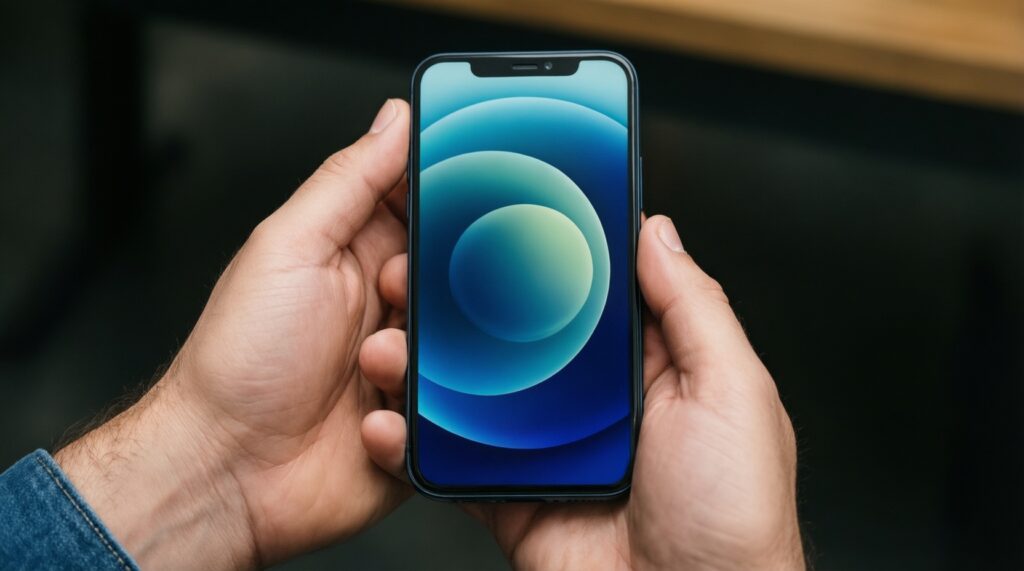
Trade-in is simpler and sometimes competitive when promos add a top-up; self-sale often wins if your device is in great condition and you can wait for the right buyer. Compare net proceeds, not convenience alone.
How do I avoid regret if prices drop right after I buy?
Set a rule before purchase: you're paying for time saved and immediate utility. If a later discount would bother you, wait for the next promo window and buy with a return/price-protection policy where possible.